Some offers on this page are from advertisers who pay us, which may affect which products we write about, but not our recommendations. See our Advertiser Disclosure . Debt settlement vs. debt consolidation: Which is right for you? Rebecca Safier Fri, September 11, 2026 at 11:17 AM PDT 8 min read Debt consolidation combines multiple debts into one loan, usually at a lower interest rate, and you repay the full balance. Debt settlement involves negotiating with creditors to pay less than you owe, but it damages your credit and isn't guaranteed to work. Understanding how both options work can help you determine which would better fit your financial situation. The Best Tips & Tricks to Achieve Financial Independence Brought to you by Understand you have options : Minimum payments, balances, and interests can pile up quickly, and managing them can become stressful. Learning about your debt relief options can help you make informed decisions. Create a plan that works for you : Everyone's financial background is different. What works for your friend may not work for you. Reviewing your budget and exploring personalized solutions are key to understanding your specific needs. Small habits do make a difference : Simple yet effective. Building a budget, tracking expenses, and developing healthy financial habits help you create a well-structured path for financial independence. How does debt consolidation work? Debt consolidation involves replacing your current debts with a new loan or line of credit, ideally with a better interest rate. If you consolidate multiple debts, you can also simplify repayment into a single monthly payment. There are multiple ways to consolidate debt, including: Personal loan: You can use a personal loan to pay off existing debts, such as credit card balances, medical bills, or other loans. Then, you'll pay back your personal loan with fixed monthly payments over a set term, typically one to seven years. Some personal loan providers will send the loan funds directly to your creditors on your behalf. Balance transfer credit card: If you have credit card debt, you could consolidate it with a balance transfer credit card. Some cards offer promotional periods of 0% APR for balance transfers, so you can focus on paying down your balance for a time without interest. You'll still have to pay a balance transfer fee usually 3% to 5% of the amount you transfer. Home equity loan or HELOC: Homeowners can draw on their property's equity and consolidate debt with a home equity loan or home equity line of credit (HELOC). Home equity loans and HELOCs can have competitive interest rates and lengthy repayment terms. Since they're secured by your home, though, you run the risk of foreclosure if you overborrow and can't repay. Am I eligible for debt consolidation? You usually need fair credit or better to qualify for debt consolidation. The stronger your credit, the better interest rates you can get on a personal loan, home equity loan, or HELOC. Good or excellent credit is also usually required to qualify for...
🔥 EXCLUSIVE PARTNER OFFER
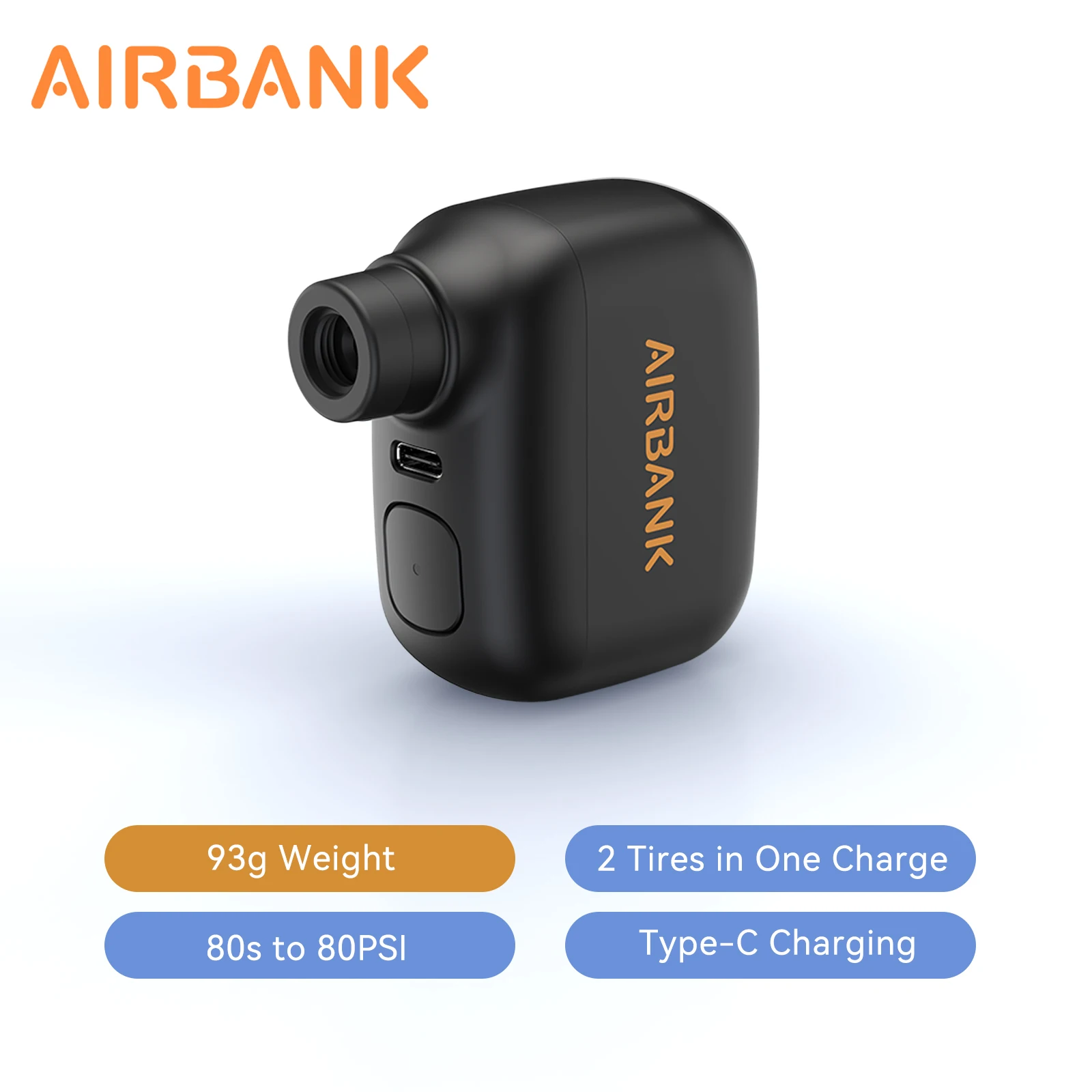
AIRBANK AS100 Mini Portable Bicycle Pump Rechargeable Air Inflator 100PSI Type-C Bike Accessories for Bike Schrader Presta Tires
Special Price
⚡ Flash sale! Get the best deals on AliExpress today. Hurry, stocks are limited!
Affiliate link — Commission earned at no extra cost to you
© EcoNews DZ — Global Economic & Financial News



Comments
Post a Comment