Some offers on this page are from advertisers who pay us, which may affect which products we write about, but not our recommendations. See our Advertiser Disclosure . Do I need a business bank account if I'm self-employed? It's not required, but highly recommended. Sarah C. Brady Contributor Updated Fri, July 24, 2026 at 1:50 PM PDT 6 min read As a small business owner, you're not legally required to have a business bank account. But the longer you mingle your business and personal finances, the more likely you are to regret it. While separating your business and personal bank accounts can be a pain, it's highly recommended you do so, since having separate accounts makes it easier to file taxes and qualify for loans. Not to mention, it could benefit your business's bottom line. Are you required to have a business bank account if you're self-employed? According to the IRS, your business needs a recordkeeping system that shows your income, expenses, and tax deductions and credits. Per the agency, a business checking account is sufficient for most small businesses, but it's not the only solution. An electronic accounting software program like Quickbooks could also be a good fit. If you've already combined your small business and personal finances into one account, the prospect of separating them can be daunting but the list of benefits is long. Here are some of the ways a separate business bank account can make your financial life easier: Pros Keep business and personal finances separate See all of your business transactions in one place Save time on itemizing and categorizing deductible expenses for tax filing Avoid confusing your business revenue for personal income Take advantage of business-oriented account features Demonstrate your legitimacy to clients you transact with Pull clear and accurate records on business operations for potential creditors and investors Track and address business cash flow issues Can help you form an LLC For LLCs, protect your personal assets from business liability Cons What are the downsides of opening a separate business bank account for self-employed people? Mainly, you'll have to get used to using a new system. Here's why some small business owners are hesitant: Time required to apply for a new account You may need a Taxpayer Identification Number (TIN) or Employer Identification Number (EIN) Time invested up-front to redirect payments and deposits to the correct account More bank accounts to manage (instead of just one mixed account) You'll also need to save supporting documents for tax filing. For example, if you purchase office supplies or office furniture at Target, you'll need to save the receipt showing that the items you purchased were for your business and not for personal use. Read more: How do self-employment taxes work? A step-by-step guide. Does your business structure matter? Having a separate business bank account is a bigger legal concern for single-member LLC owners (also referred to as members) than for sole proprietors. Sole proprietors, including independent contractors and freelancers, are not considered legally separate...
🔥 EXCLUSIVE PARTNER OFFER
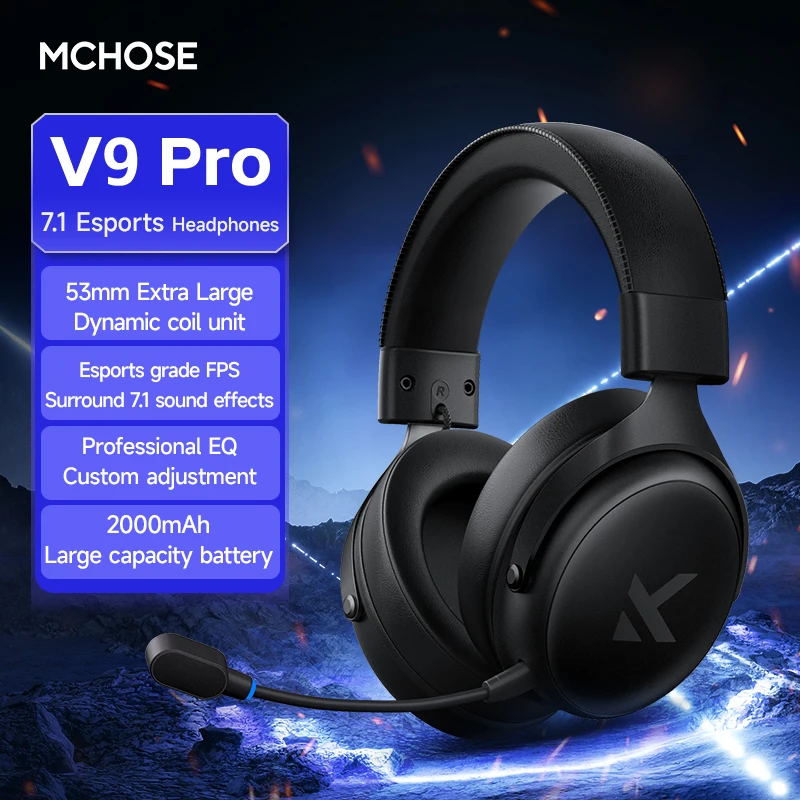
MCHOSE V9 Pro Headset with Microphone Three Mode Bluetooth Wireless Computer PC Gamer Headphones Accessories V9 Pro MCHOSE
Special Price
🎁 Special promotion! Perfect gift idea at an unbeatable price. Shop now!
Affiliate link — Commission earned at no extra cost to you
© EcoNews DZ — Global Economic & Financial News



Comments
Post a Comment