Micron (MU) Fell 7%. Is the AI Memory Trade Now Too Expensive? Jeff Lewis Fri, August 21, 2026 at 5:12 PM PDT 4 min read MU Micron Technology, Inc. (NASDAQ: MU ) fell 7% to $940.76 on August 19 amid a semiconductor selloff as rising bond yields increased scrutiny of highly valued AI stocks. The Philadelphia Semiconductor Index dropped 5%, and Micron's decline followed an almost 18% gain over the previous five sessions. Even after the reversal, the shares have more than tripled in 2026. The operating story remains exceptionally strong, including $22 billion of projected cash deposits and related financial commitments under multiyear supply agreements, approximately $18 billion of which will be cash deposits. For Micron Technology, Inc. (NASDAQ:MU), the question is whether those contracts have made the memory cycle durable enough to support a valuation whose staying power depends heavily on sustained AI demand. Micron Technology, Inc. (NASDAQ:MU) says the agreements provide unusual visibility for the memory industry. All 16 strategic customer agreements contain take-or-pay commitments. Most have fixed prices or price bands, while a minority have no price bands, and deposit provisions do not apply uniformly. The largest agreements generally include price ceilings, trading some upside pricing for greater predictability. Fiscal third-quarter remaining performance obligations exceeded $5 billion. The approximately $100 billion figure includes qualifying agreements signed after quarter-end and reflects 14 of the 16 agreements at minimum committed volumes and prices. Recent results explain the attention around Micron Technology, Inc. (NASDAQ:MU): fiscal third-quarter revenue reached $41.46 billion, non-GAAP diluted EPS was $25.11, and management guided for fourth-quarter non-GAAP diluted EPS of $31, plus or minus $1. Deutsche Bank Raises Micron (MU) Price Forecast as Revenue and Margins Surge Bull Case: Contracts Could Extend the Cycle The bull case for Micron Technology, Inc. (NASDAQ:MU) is that the five-year take-or-pay structure, which management described as unprecedented for the industry, can make this upturn more durable. Management expects DRAM and NAND supply to remain tight beyond calendar 2027 as AI demand grows faster than supply. New fabrication capacity takes years to build, while high-bandwidth memory consumes manufacturing resources that might otherwise serve conventional products. Minimum volumes can reduce demand uncertainty, while fixed prices and price bands provide pricing visibility. Deposits can strengthen customer commitments where they apply. Together, the terms can support revenue visibility and margin protection. Bear Case: Capacity and Substitution Still Matter Story Continues For Micron Technology, Inc. (NASDAQ:MU), the more-than-threefold 2026 gain has intensified debate over how much of the current cycle is already priced in. The contracts improve visibility, but the $100 billion extends across several years and does not eliminate supply, execution, or product-mix risk. Micron forecasts approximately $10 billion of fourth-quarter capital spending, net of anticipated government incentives. That investment is necessary to meet demand, but faster industry capacity growth could eventually restore the oversupply that has repeatedly weakened memory pricing. Qualcomm has also discussed AI chips designed to use cheaper memory, underscoring customers' incentive to limit premium-memory costs. Higher bond yields add...
🔥 EXCLUSIVE PARTNER OFFER
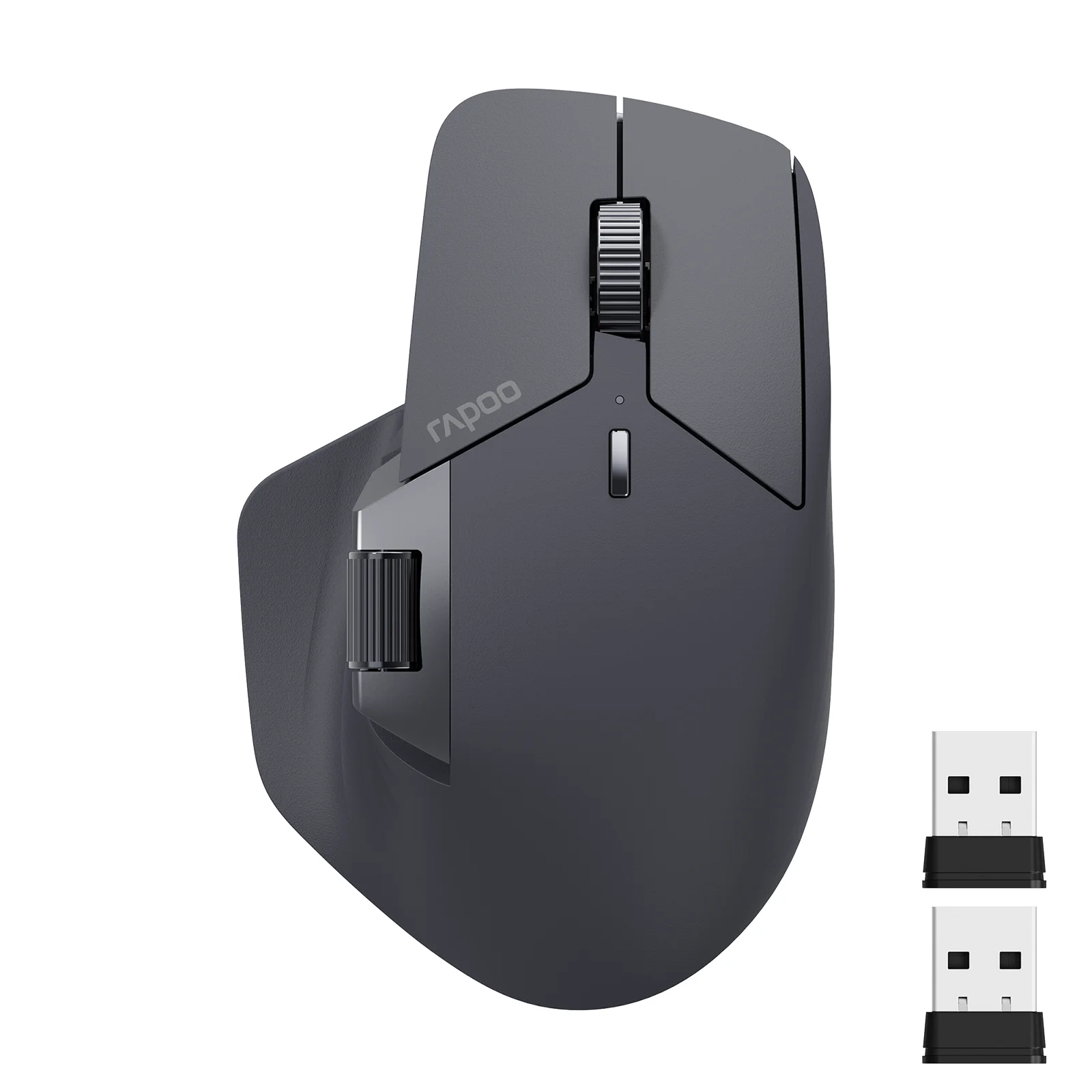
Rapoo MT760L/MT760M Multi-mode Rechargeable Wireless Mouse Ergonomic 4000 DPI Support Up to 4 Devices Bluetooth Mouse
Special Price
✨ Special deal alert! Don't miss this amazing product with top-rated reviews worldwide.
Affiliate link — Commission earned at no extra cost to you
© EcoNews DZ — Global Economic & Financial News



Comments
Post a Comment