Image source, Getty Images Image caption, Brands like Uniqlo and Muji have rapidly expanded in India By Nikhil Inamdar Mumbai Published 6 hours ago India's commerce minister Piyush Goyal led the country's largest-ever business delegation to Japan last week in a bid to expand trade and investment ties between the two countries. His visit came as Japan's deepening push into Asia's third largest economy has become increasingly more apparent. If you visit a shopping mall or a high street in Mumbai, Delhi or Bengaluru, it's hard to miss the growing number of Japanese consumer brands that have set up shop across India. Apparel giants Uniqlo and Muji and premium sneakers company Onitsuka Tiger have been around for a while, but are rapidly expanding. Niche players are also here - Nitori, a Japanese furniture maker, entered the market recently, while convenience store chain Lawson , external is on its way, with a plan to reportedly open 10,000 stores by 2050 in India, starting with Mumbai. It's not just retail. At a time when foreign lenders have been exiting their Indian bank portfolios, Japanese banks are aggressively bidding for Indian financial assets. MUFG Bank - Japan's largest bank - closed a deal to buy 20% of Indian shadow lender Shriram Finance for $4.4bn last year in what was the biggest ever foreign investment in India's financial sector. Last year also saw Sumitomo Mitsui Banking Corporation (SMBC) becoming the largest shareholder in India's Yes Bank with a 24.22% stake. Japan Inc is now the largest contributor to India's booming ecosystem of global capability centres (GCCs) in the Asia Pacific. More than 100 Japanese firms operate these GCCs in the country, according to a recent Deloitte report , external . GCCs are offshore innovation hubs of multinationals that perform business critical functions such as R&D, corporate strategy and artificial intelligence development among a plethora of other key jobs. "Japanese companies are having to look to India for growth. With the local population declining for the past 16-17 years there isn't just a slowdown in domestic demand, but a permanent shrinking of the market," Vipul Nath Jindal, Founder of Next Bharat Ventures, an impact fund backed by Suzuki Motor Corporation, which recently announced a $200mn fund in India, told the BBC. Image source, Bloomberg via Getty Images Image caption, Japanese companies announced $12.5bn in investments in India through some 120 agreements during PM Sanae Takaichi's visit in July At the same time, Japan's traditional markets for expansion have become increasingly less attractive, he says. "Investment into China has fallen sharply amid geopolitical tensions and changing economic dynamics, the US market is more challenging because of tariffs and domestic competition, and the market size of other Southeast Asian economies is limited." Against this backdrop, India has become a natural target market for Japanese companies to drive long-term business growth. Economic ties between the countries gathered pace at a government-to-government level when they signed an agreement to liberalise trade nearly a decade-and-a-half ago. After Prime Minister Narendra...
🔥 EXCLUSIVE PARTNER OFFER
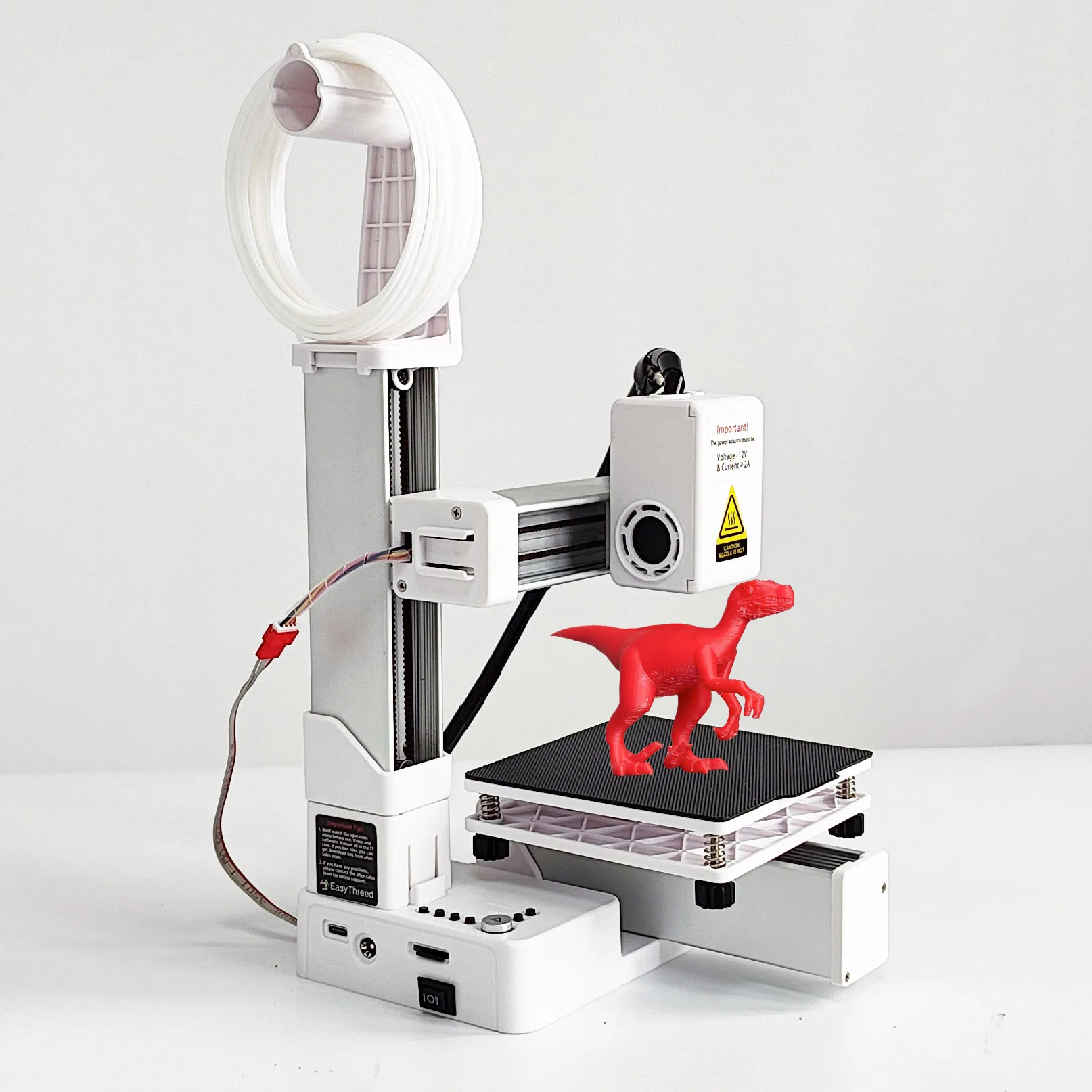
EasyThreed 3D Printer Entry Level Compatible with PLA TPU 1.75mm Filament include Power Adaptor.
Special Price
✨ Special deal alert! Don't miss this amazing product with top-rated reviews worldwide.
Affiliate link — Commission earned at no extra cost to you
© EcoNews DZ — Global Economic & Financial News



Comments
Post a Comment