Image source, Bloomberg via Getty Images Image caption, The Philippines is known as the call centre capital of the world By Suranjana Tewari Asia Business Correspondent , Reporting from Manila Published 3 hours ago For 15 years, single mother Lisa made a living from content writing. She began writing straight out of college, freelanced for years and eventually followed a path taken by many young Filipinos: joining a multinational in the country's booming outsourcing industry. Lisa says she never felt the need to use artificial intelligence (AI) in her work. "I can say that I am able to do my job, I meet deadlines. In my opinion, there is no need for [AI]," she told the BBC. Eight months into her latest role, and one month before the position was due to become permanent, she was made redundant. In the months before, Lisa says a public relations agency had been tasked with producing AI-generated material that she and her colleagues were asked to edit. She says her skills were used to train the AI on the company writing style. "I feel like I dug my own grave," she says. "We were the ones who trained the artificial intelligence that replaced us." Lisa, not her real name, is one of several former outsourcing employees the BBC spoke to who asked to remain anonymous. They signed confidentiality agreements in return for severance pay, and fear that speaking publicly could hurt their chances of finding work in an industry which has a small network. Their experiences offer an insight into a question confronting emerging economies like the Philippines: what happens when AI begins to automate the jobs that helped lift millions of people into the middle classes? Building an industry Every evening around 5pm, streams of workers wearing company lanyards spill out of high-rise offices in the district of Cubao in Manila. It's one of several areas of the capital where multinational companies have premises providing all sorts of outsourcing work including call centres, accounting, software development and marketing copy services for clients thousands of miles away. For over two decades, these business districts have symbolised one of the Philippines' biggest economic success stories. Beginning in the early 2000s, the country was promoted as an English-speaking alternative to India for what's called business process outsourcing (BPO). Successive governments offered tax incentives, invested in infrastructure and encouraged multinational companies to set up large operations. Global groups like Accenture, Concentrix and Teleperformance built sprawling campuses, employing hundreds of thousands of Filipinos. Today, the outsourcing industry employs roughly 1.9 million people, and generates $40bn ( 30.1bn) in revenues every year, accounting for about 10% of the Philippines' economy. But experts say the industry is disproportionately vulnerable to the impact of AI. Image caption, The outsourcing industry employs about 1.9 million people in the Philippines The International Labour Organization estimates that 12.7 million Filipinos - more than one in four workers - are employed in occupations exposed to generative AI, the highest share in South East Asia....
🔥 EXCLUSIVE PARTNER OFFER
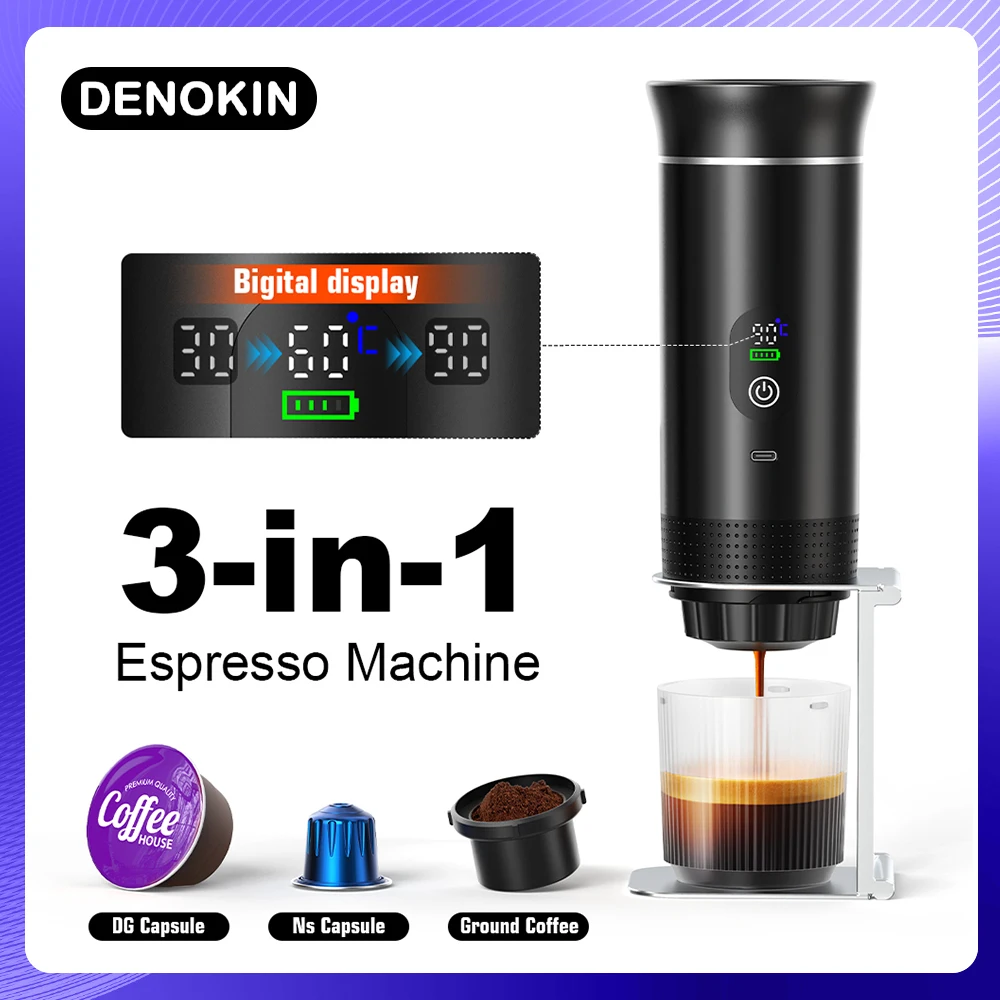
DENOKIN Portable Espresso Coffee Machine With Digital Display 3-in-1 Capsule Coffee Maker for Car & Home Camping Coffee Maker
Special Price
🌟 Hot deal! This trending product is flying off the shelves. Get yours before it's too late!
Affiliate link — Commission earned at no extra cost to you
© EcoNews DZ — Global Economic & Financial News

Comments
Post a Comment